Joy doesn't scale. You can't earn more of it by doing more, or find it waiting once things finally calm down. And yet we've built our lives as if it does — as if the right system, the right routine, the right amount of effort will eventually produce it.
You can track almost everything now. Steps, sleep stages, HRV, mindfulness minutes, the exact number of seconds you held a stretch. And somewhere in all that tracking, a strange thing happens: the feeling you were actually chasing goes quiet. Not gone. Just quiet — like a signal that's dropped out.
This is the trouble with treating joy as a metric. It doesn't respond to being optimised for. Research on the active pursuit of happiness backs this up — the harder people try to engineer the feeling directly, the further it tends to slip away. Joy doesn't arrive because you scheduled it, tracked it, or stacked the right habits around it. It arrives when you stop.
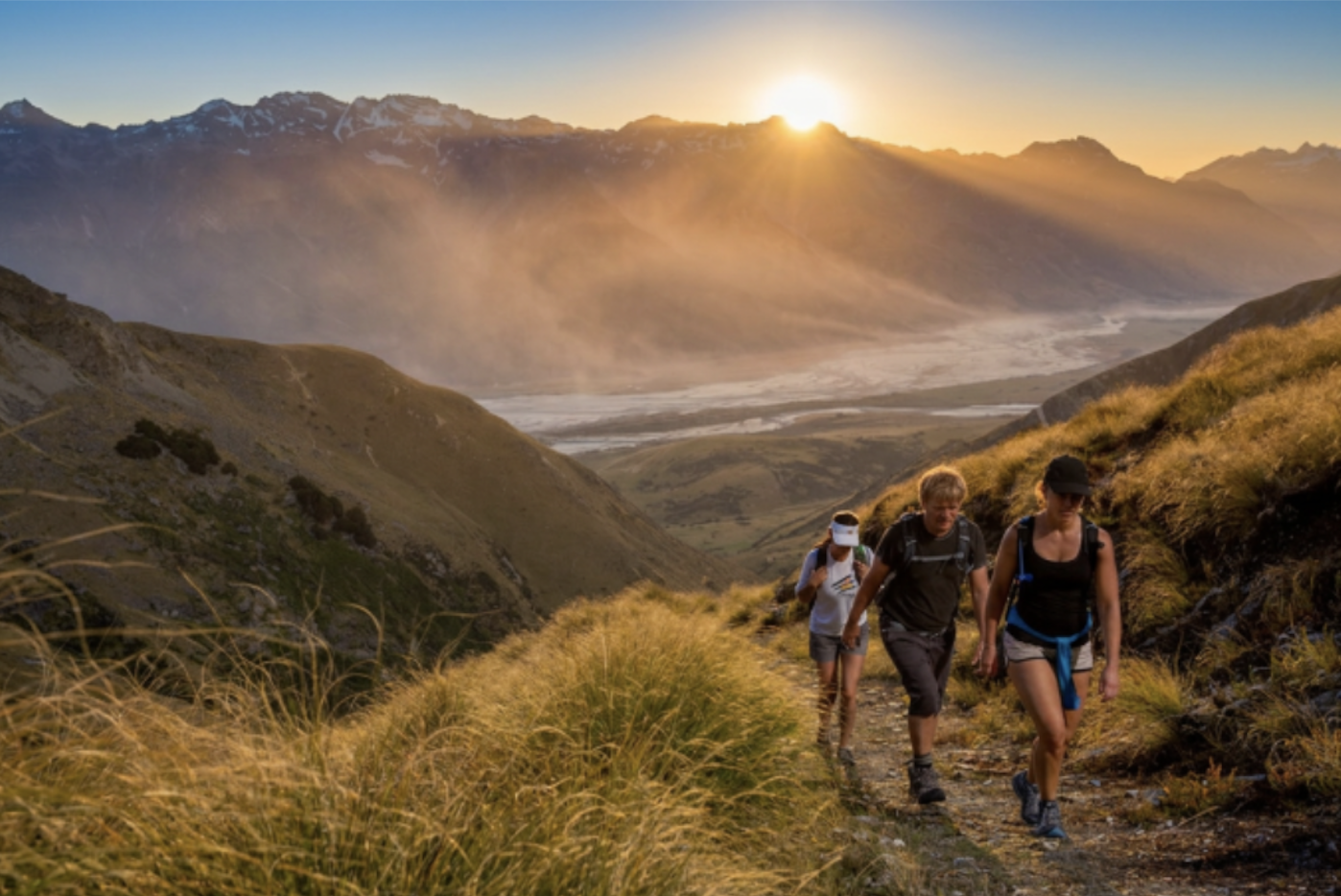
At Aro Hā, we see this shift happen daily, and it rarely looks like what people expect. It doesn't happen in a session or on a schedule. It happens on the trail, an hour or two into the morning hike, when the conversation with the person next to you runs out and neither of you minds.
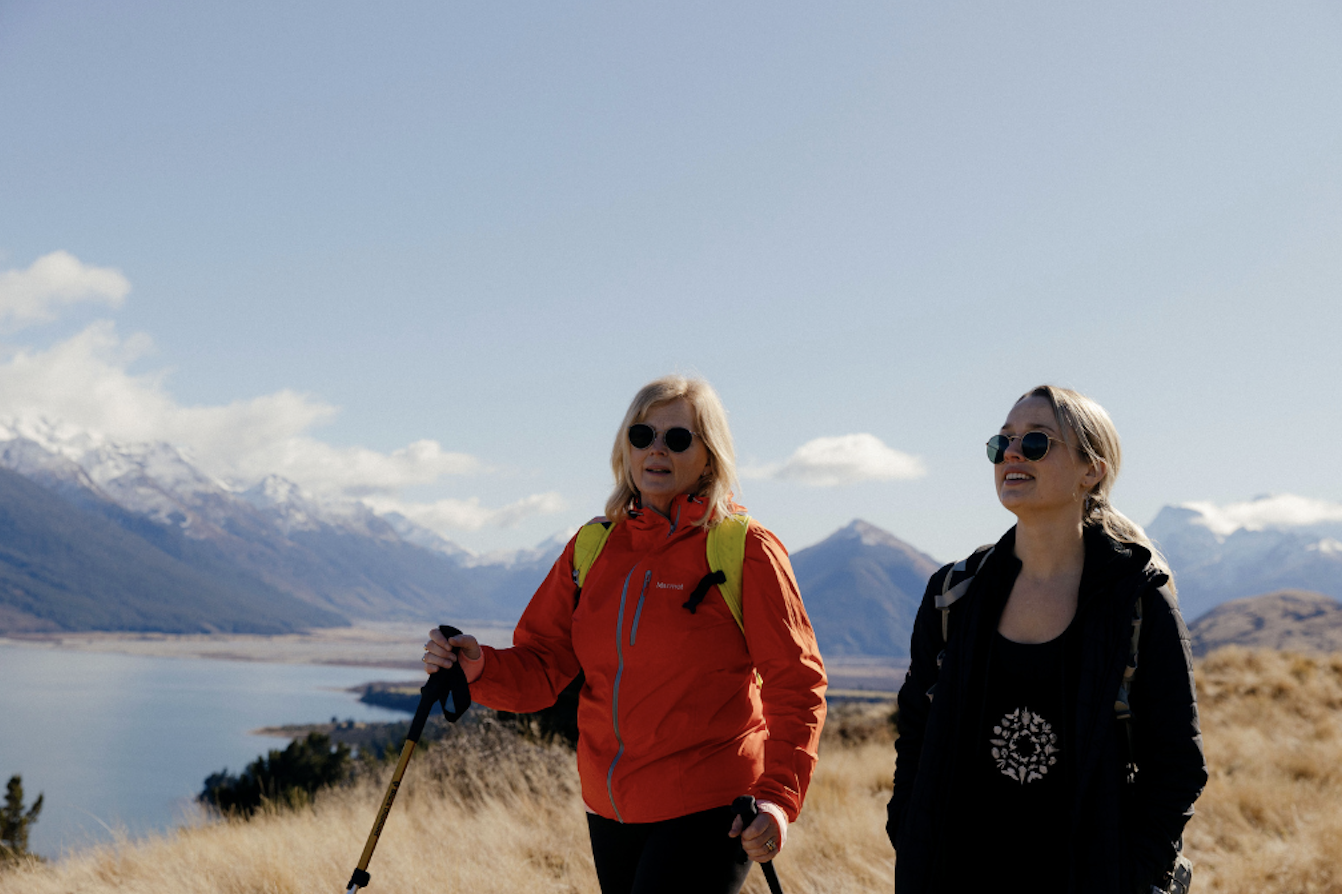
Sometimes it isn't the hike at all — it's the 20 minutes after it, sitting at the lake edge with nowhere left to be. Most of us move through the natural world without ever actually stopping in it. Here, stopping is built into the day.
It happens at the long table over dinner too, when someone puts their fork down mid-sentence because they've just remembered something they'd forgotten they cared about. That kind of connection doesn't need an agenda. It doesn't need scheduling, coordinating, updating. It just needs someone to show up.
And sometimes it happens in the lodge in the evening, when the music comes on after restorative yoga and somebody just starts moving — not performing, not counting reps, just letting their body do what it wants to do. Within a few minutes there are usually 3 or 4 people doing it, badly and happily, and nobody minds that either. You don't need a lodge or live music for this, by the way. Dancing in the kitchen counts.
There's a reason that particular kind of movement matters so much. Moving in time with other people, even loosely, does something a treadmill can't: research from the Center for Music in the Brain at Aarhus University found that synchronising movement with others in the presence of music increases the sense of closeness between them, often more than conversation does. It's a shortcut to belonging that doesn't require anyone to say a word.
None of that shows up on a wearable.
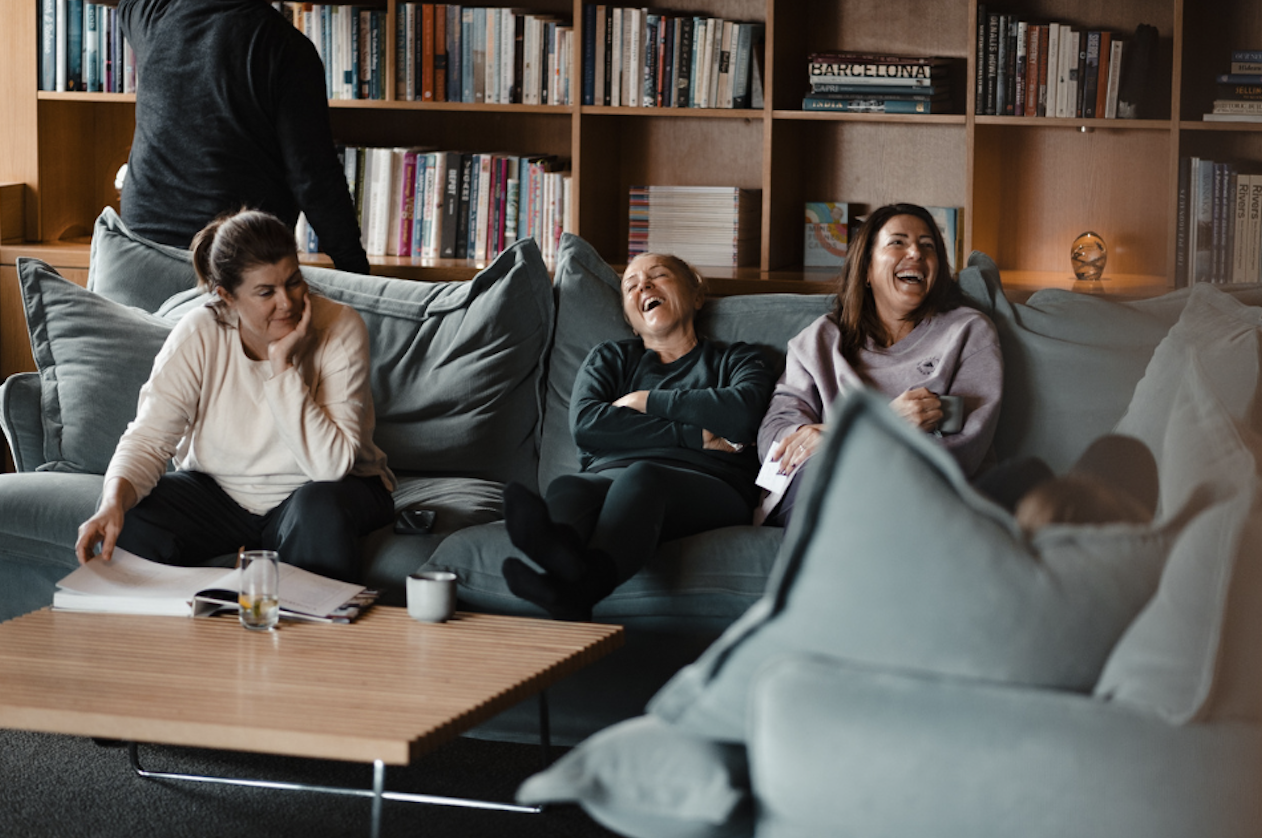
Joy needs conditions, not instructions. It needs your nervous system to have nothing urgent to respond to — no notifications, no decisions, no performance required. Going offline isn't a wellness trend. It's closer to a biological fact: your nervous system recovers fastest when the demands on it simply stop. That's not absence. It's the condition joy needs in order to come back.
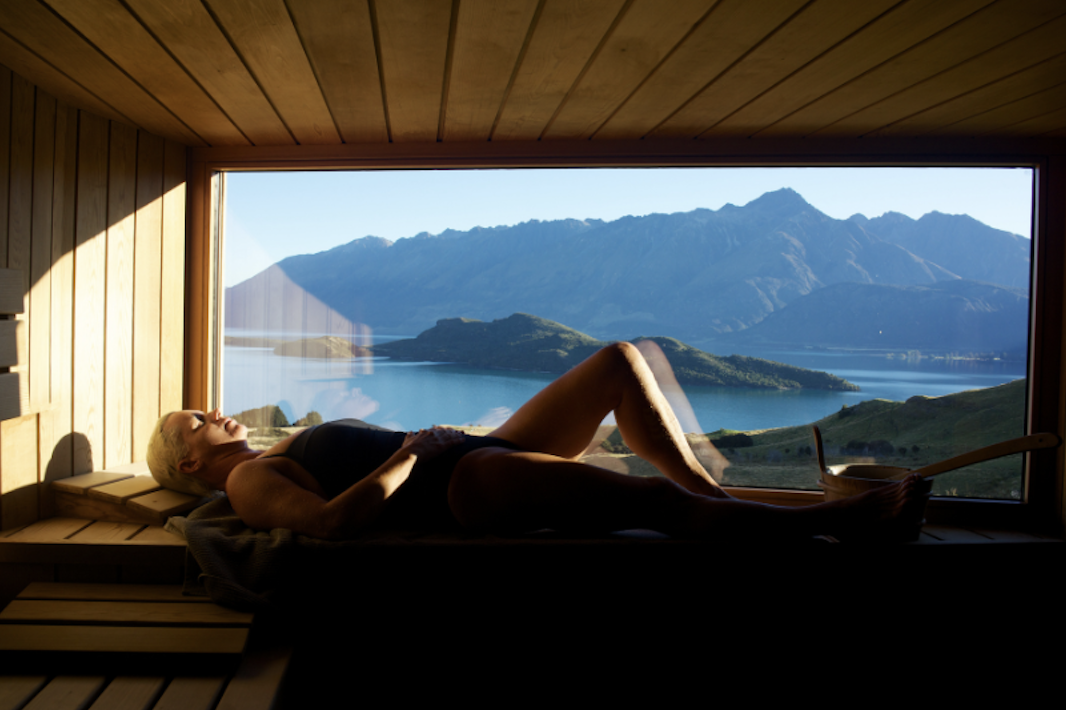
Movement helps more broadly, too — not movement as a target to hit, but movement as a way of being in a body again instead of managing one. A 12–17km hike through alpine terrain does something a step count can't capture. Neither can a number tell you what it's like to be tired in the good way, the kind that comes from actually using your body outdoors instead of sitting still while your watch tells you you've been sedentary for 41 minutes.
We do track outcomes here, because they matter and because they're real. Biological age down by up to 2.16 years in 7 days. Sleep quality up 8.2%. 98% of guests calling it a peak life experience. But those numbers are the residue of something, not the point of it. The metrics follow. Joy leads.
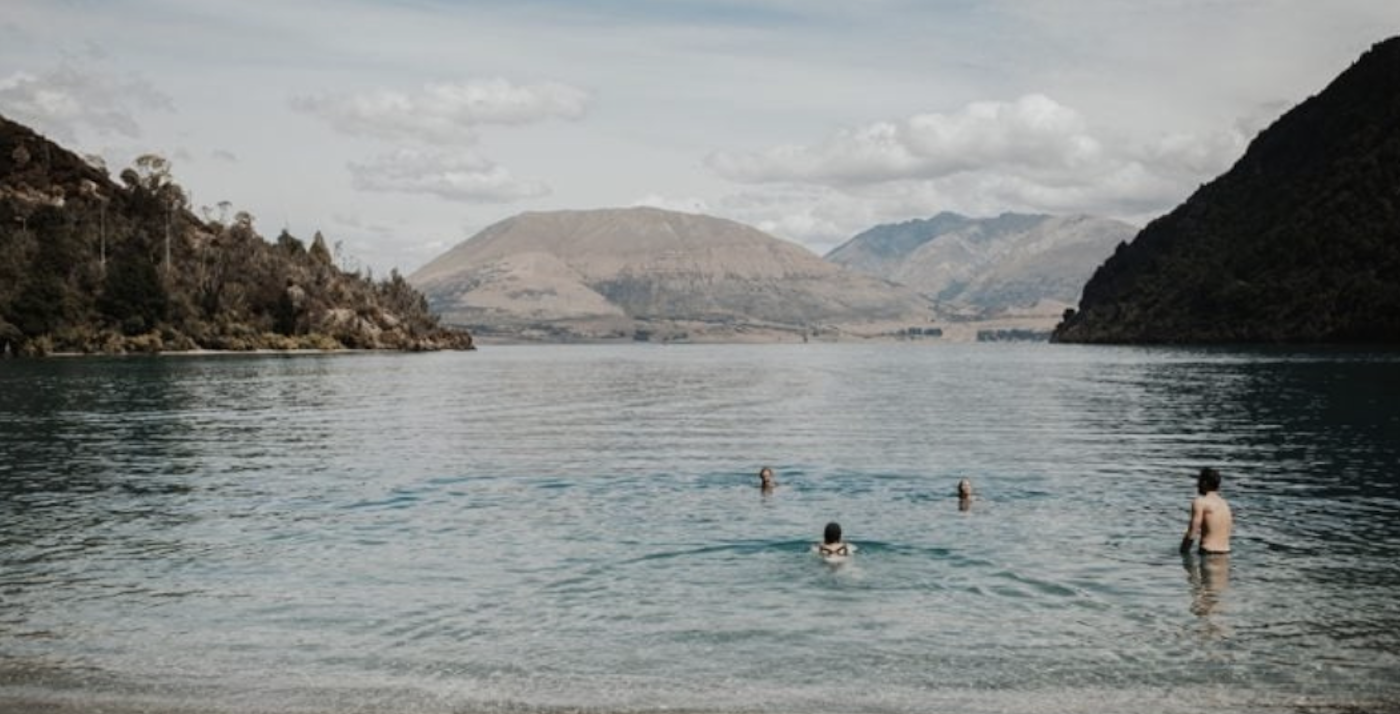
If you've optimised your sleep, your macros, your morning routine, and something is still missing — not broken, just quiet — it doesn't need fixing. It needs somewhere with no signal, a trail above Lake Wakatipu, and 7 days into the Signature programme where nothing is required of you except to be there.
Your joy is still there. It's just waiting for somewhere to come back to.