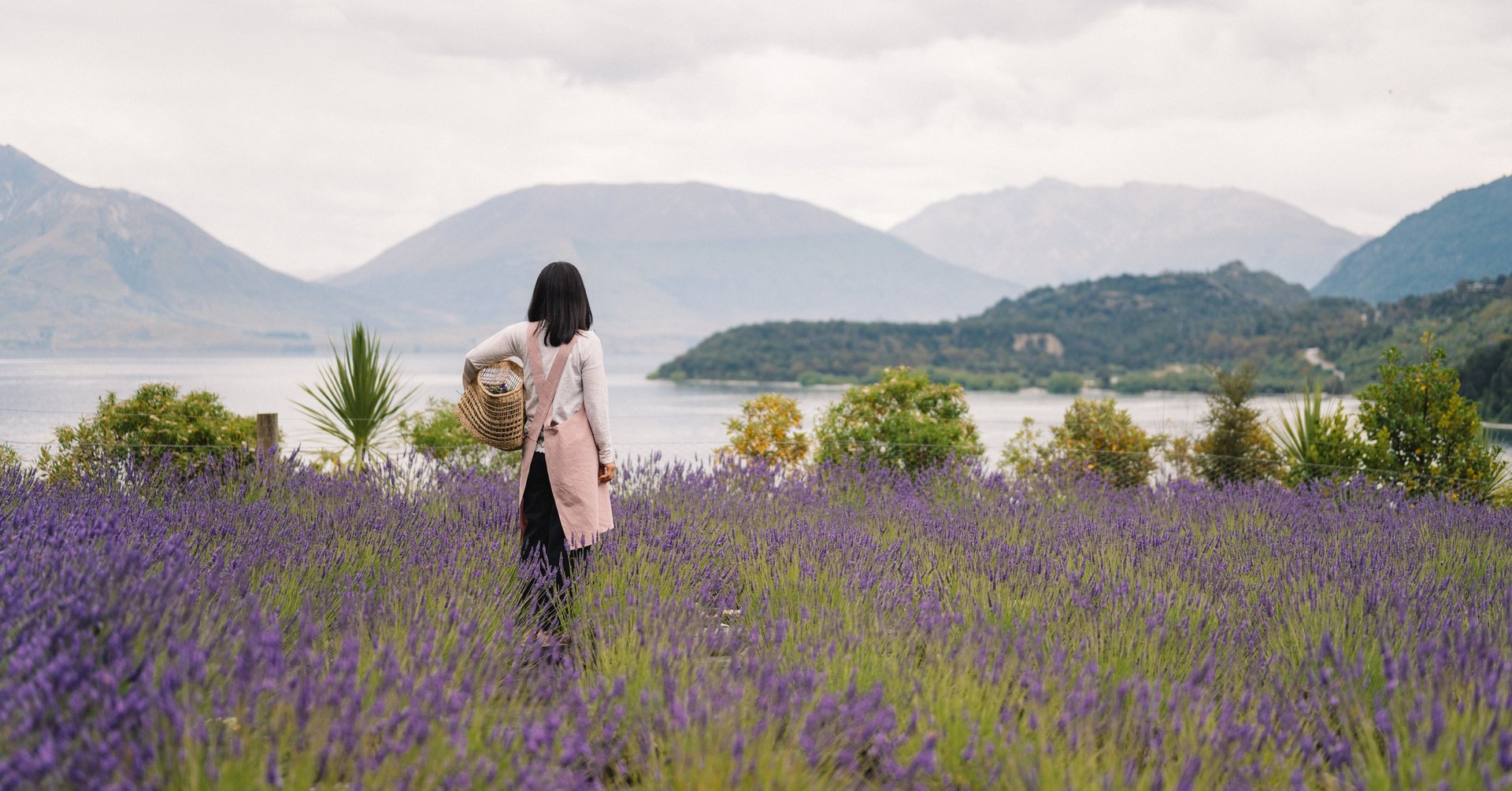
There's a kind of tiredness that has nothing to do with the body. You read the same paragraph three times. You walk into a room and forget why. By mid-afternoon, a small request feels like too much. So you reach for your phone to take a break, and ten minutes later you feel worse than before you started.
It's easy to blame poor sleep or a long week. More often, it's something more specific. The capacity you use to focus, filter and decide has simply run out, and most of what we do to rest doesn't refill it.
An Account That Empties
Psychologists call it directed attention. It's the effortful kind of focus we use to write the email, follow the meeting, cross the busy road and ignore the notification. It's essential to almost everything we do, and it's limited. Like a muscle, it tires with use.
In an ordinary day, it rarely gets a break:
- Screens that ask for a decision every few seconds
- Traffic, noise and crowded spaces
- The constant low-level vigilance of being reachable
When directed attention is depleted, it shows up as irritability, forgetfulness, poor decisions and the familiar sense of being busy without getting anywhere.
The Break That Isn't
The instinct is to rest by switching to something easier, but a phone screen isn't easier. It draws on the same limited resource: every swipe is a small decision, and every headline asks for a reaction. What feels like a break is actually more of the same work.
Real restoration needs a different kind of attention, the effortless kind that nature draws out of us. We explored the science behind this in Why Hiking Restores Focus. The short version is that water, cloud and moving leaves hold our attention gently, without demanding anything. That gives the effortful kind a chance to recover.

Forty Seconds, One Hour
The encouraging news is that the dose can be small.
- An hour among trees. In one well-known study, attention and memory improved by almost 20 per cent after a walk in a park. After the same walk along busy city streets, they didn't change.
- Any weather. The benefit held even in the cold, and people didn't need to enjoy the walk for it to work.
- Forty seconds. In another study, people who looked at a meadow for just 40 seconds focused better afterwards than people who looked at bare concrete.
Attention restoration doesn't require a wilderness. It requires regularly giving the mind somewhere else to look.
Where the Mountains Do the Work
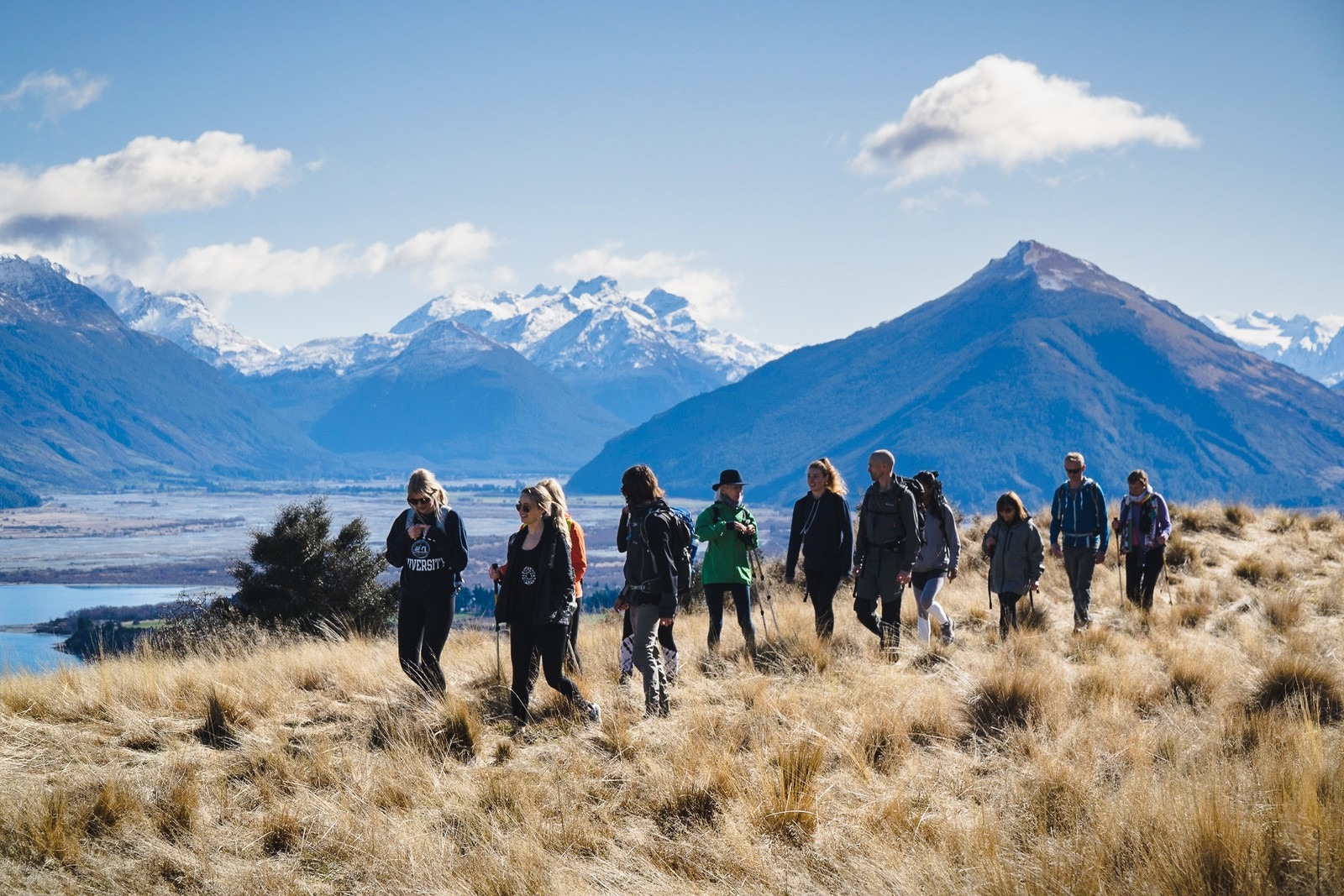
On programme, directed attention is barely needed at all. Your week is tailored to your needs at the start. After that, there are no decisions to make. Meals are served, movement is structured, and there is no mobile reception on the property. The everyday demands that drain attention hundreds of times a day are simply removed.
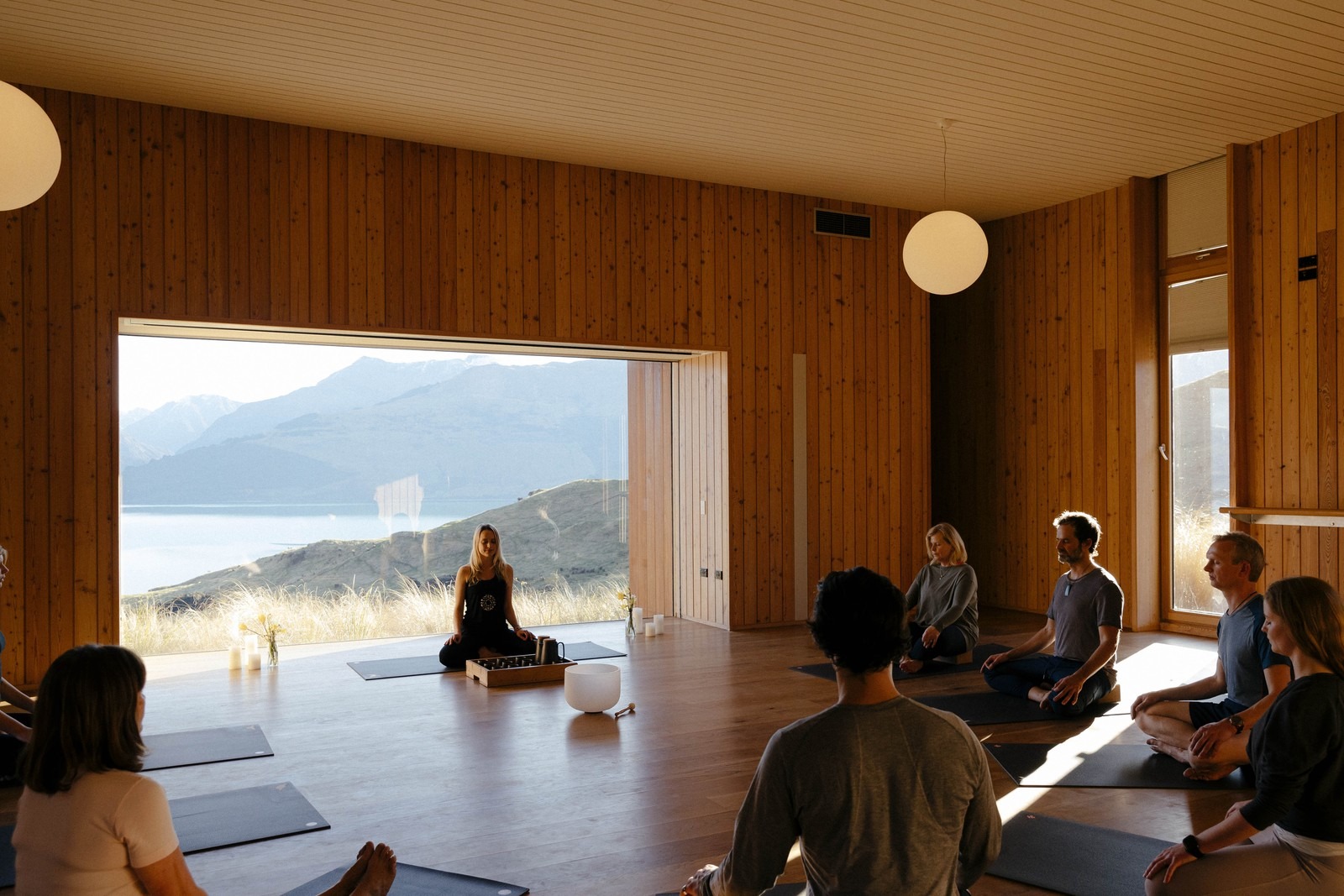
What fills that space is the landscape. Each day includes a guided hike of 12 to 17 kilometres through the sub-alpine country above Lake Wakatipu, with stretches walked in silence and stretches of easy conversation. The yoga studio and the spa look out onto the lake and the ranges beyond. For the length of the programme, soft fascination isn't something you schedule. It's simply where you are.
The effects are measured. Across the Signature programme, guests' heart rate variability, a marker of stress resilience, rises 9.2 per cent on average, and sleep quality improves 8.2 per cent.
The Habit of Looking Up
You can't bring the Southern Alps home, but you can bring back the habit of looking up.
- Take 40 seconds at the window. When focus starts to slip, look at something green before you reach for your phone.
- Walk where trees outnumber cars. Choose the green route once a week, even if it takes longer.
- Go in any weather. The benefit doesn't wait for sunshine.
- Leave the phone behind. A walk spent on a screen uses up the attention you went out to restore.
- Watch the sky. Clouds and moving water are available almost anywhere.
None of these takes much time. What they ask is that you stop treating rest as another thing to do, and start treating it as a place to look.
If your focus has been running on empty and you'd like a week to properly refill it, join us in the Southern Alps. With a maximum of twenty guests per programme, there's room to slow down and nowhere you need to be but here.