
Think back over an ordinary day. The kettle boils while you answer a message. Lunch is eaten at the desk with the inbox open. A show plays in the evening while you scroll through something else. Even the walk you took for quiet came with a podcast.
None of it feels like much. Doing two things at once has become so normal that doing one can feel indulgent. Yet many of us end these days tired in a way that doesn't match the work we actually did.
What Stays Behind
"Multitasking" suggests the mind can hold several things at once. For most of what we do, it can't. It moves between them, and each move has a cost.
Researchers call part of that cost attention residue. When we leave a task unfinished and turn to something new, part of our attention stays behind with the first. Across a fragmented day, those small residues build up: the half-answered email, the article abandoned after a paragraph, the conversation broken by a notification. By late afternoon, the load feels like fatigue.
Forty-Seven Seconds
Much of the switching doesn't come from outside. Research from UC Irvine found that we interrupt ourselves more often than anyone else interrupts us, and that we now stay on one screen for an average of just 47 seconds before moving on. Twenty years ago, it was two and a half minutes.
There is an emotional cost too. A well-known Harvard study found that our minds wander from what we're doing almost half the time, and that we're less happy when they do, even during pleasant activities.
Days With a Single Thread
On programme, the day runs the other way. Your week is tailored to you at the start. After that, there is nothing left to decide, and each part of the day holds one thing.
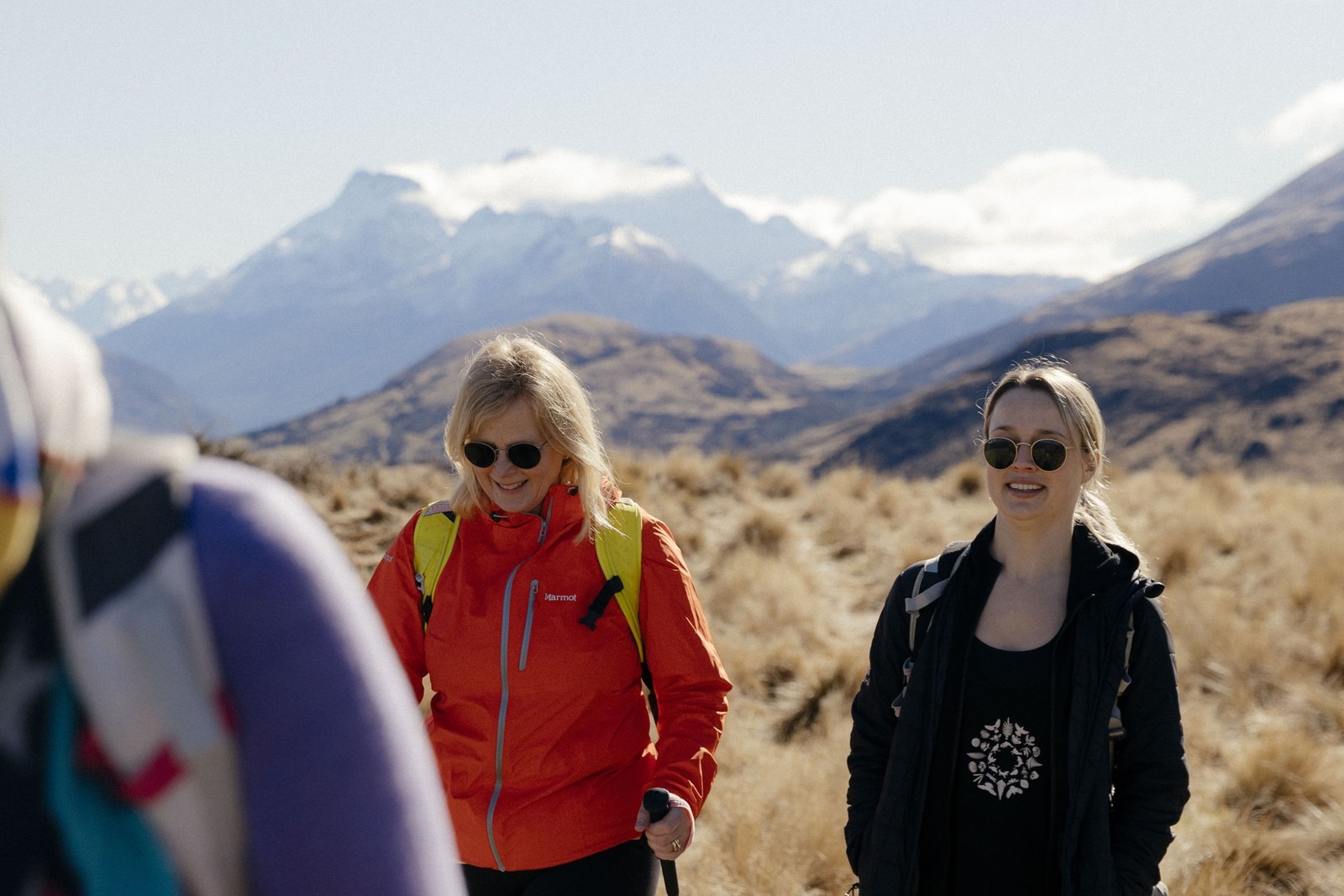
The morning begins at 6am with yoga and breathwork. Then comes the trail: 12 to 17 kilometres through the alpine country above Lake Wakatipu and Glenorchy. Some stretches are walked in silence and others in easy conversation. Uneven ground asks for a simple kind of attention: the next step, the river crossing, the light moving across the ranges.
Afternoons bring massage, then functional movement or Pilates, and the contrast of sauna and cold plunge. Each is a single practice, done fully and then finished, so nothing follows you into the next part of the day. We teach the balance of effort and ease, and single tasking is where that balance starts.
We also weave insight practice into ordinary things, from walking to eating, and there is no mobile reception on the property. Without the constant pull to check, attention has room to settle.
The effects are measured. Across the Signature programme, guests' heart rate variability, a marker of stress resilience, rises 9.2 per cent on average, and sleep quality improves 8.2 per cent.
Nothing Else on the Table
Eating is where divided attention is easiest to see, and where the change is felt most quickly. Studies suggest that people who eat while distracted tend to eat more, both at that meal and later in the day. The body registers a meal better when the mind is present for it.
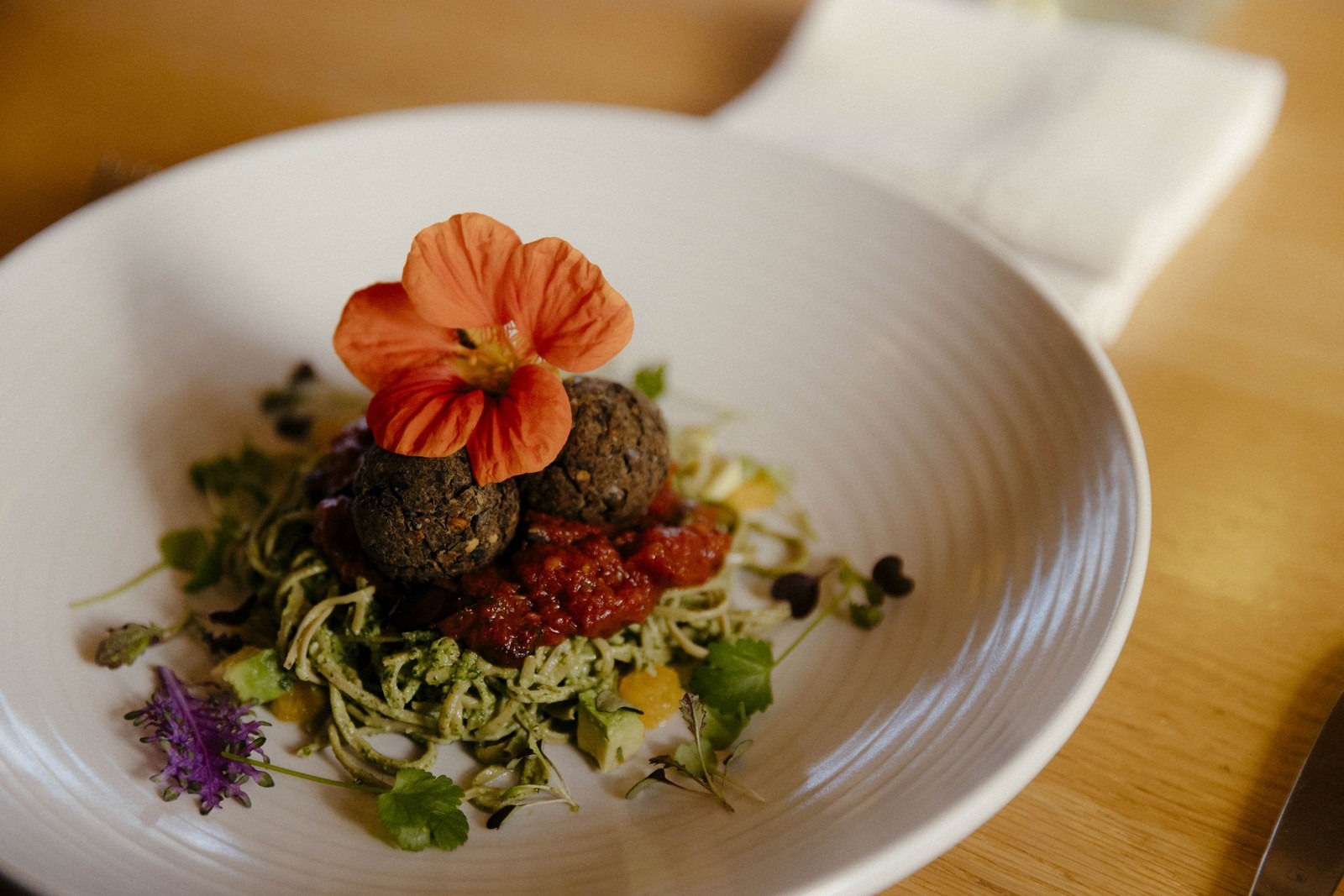
Dinner on programme is plant-based, seasonal and gluten-free, and much of it is grown on-site. Nothing on the table competes with the food. There is time to notice the texture of something picked that afternoon, the order of flavours, and the moment when enough is enough.
Akitō
There's a word in te reo Māori, akitō, meaning to do something slowly. It sits close to the heart of how the days here are shaped. The aim isn't to slow everything down permanently. It's to give each thing its own time.

A Single Place to Rest
You don't need to live on programme. It's enough to notice how a day feels when attention stays in one place, and to protect a little of that on purpose.
- Eat one meal a day without a screen. Choose the one that's easiest to protect, and let eating be the whole activity.
- Close the loop before you switch. If you have to leave a task unfinished, write one line on where you stopped. It gives the open loop somewhere to rest.
- Guard the first hour. Leave the phone in another room when you wake.
- Let a walk be a walk. No podcast, no call. Just the route, the weather and your own pace.
- Pause before you check. When the urge to reach for your phone arrives, take one breath first. Often it passes.
Start with one. Notice how the evening feels.
If you'd like to feel what a week of single tasking does, join us in the Southern Alps. With a maximum of twenty guests per programme, each day is built around one thing at a time.