Think about what you ate on your most demanding day last week. Chances are it wasn't what you'd have chosen on a quiet Sunday. The working lunch was eaten over a laptop. The coffee that stood in for breakfast. Room service at 9pm, or something from the pantry eaten standing at the bench.
The same pattern shows up elsewhere. The evening workout becomes tomorrow's workout. The early night becomes one more episode. None of it feels like a decision, and that's the point. By the end of a demanding day, we aren't really choosing. We're taking the easy option.
Running on Autopilot
Every decision, whether it's a strategic call or which email to answer first, draws on the same limited capacity. When it runs low, we don't stop acting. We default. The mind looks for the option that asks the least of it: the familiar, the convenient, whatever ends the choice fastest.
For people who lead, that capacity is spent early. By evening, what's left goes to the decisions that feel urgent, and food, movement and sleep get whatever is easiest. Over weeks and months, those easy options quietly become a diet and a lifestyle.
When Pressure Picks the Menu
Research suggests that mental workload changes how food looks to us. In one field study, researchers tracked food purchases across a year. During the most mentally demanding weeks, people chose fast food over healthier options much more often. A follow-up experiment ruled out simple convenience. The heavier people rated their workload, the more appealing less nourishing food became.
Research linking decision fatigue directly to diet is still growing, but the lesson is already clear. A tired mind will take the easy option. Trying harder won't change that. What does change it is making sure the easy option is a good one.
Where the Easy Option Is the Good One
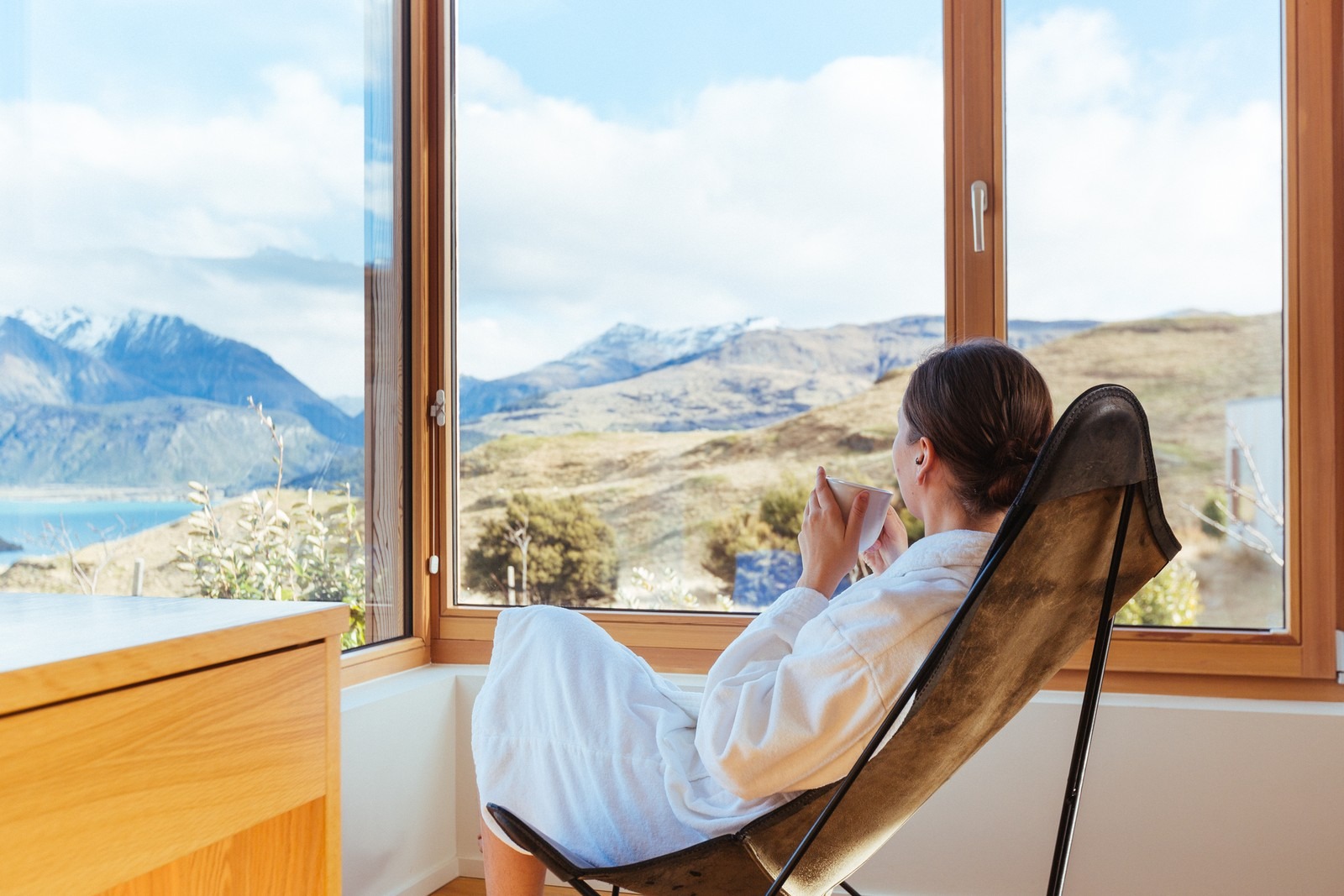
This is the principle behind the Aro Hā day. A one-on-one check-in at the start of your programme is where your week is tailored to you, from treatments to pace. After that, there is nothing left to decide, and every easy option has been designed with care.
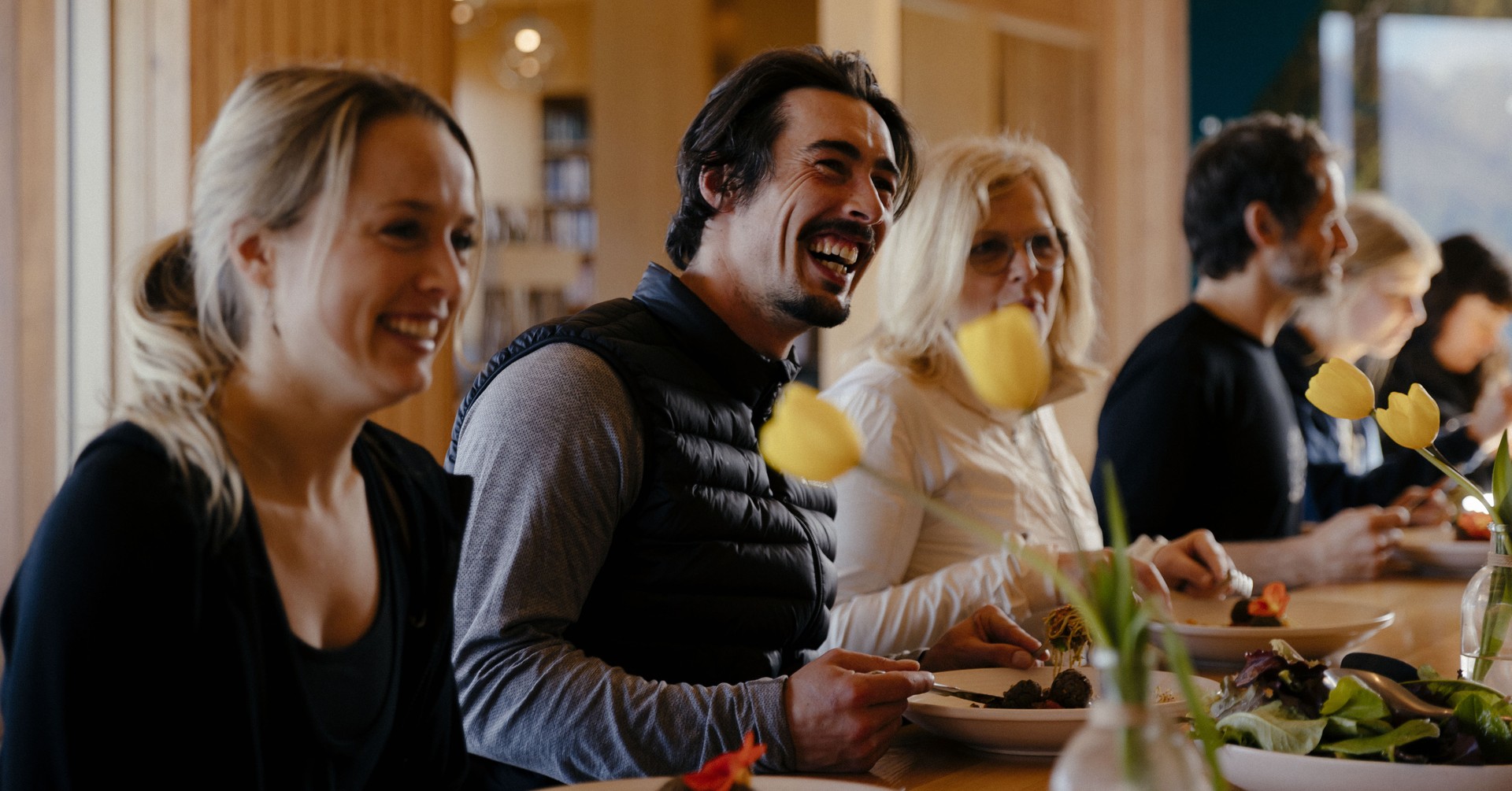
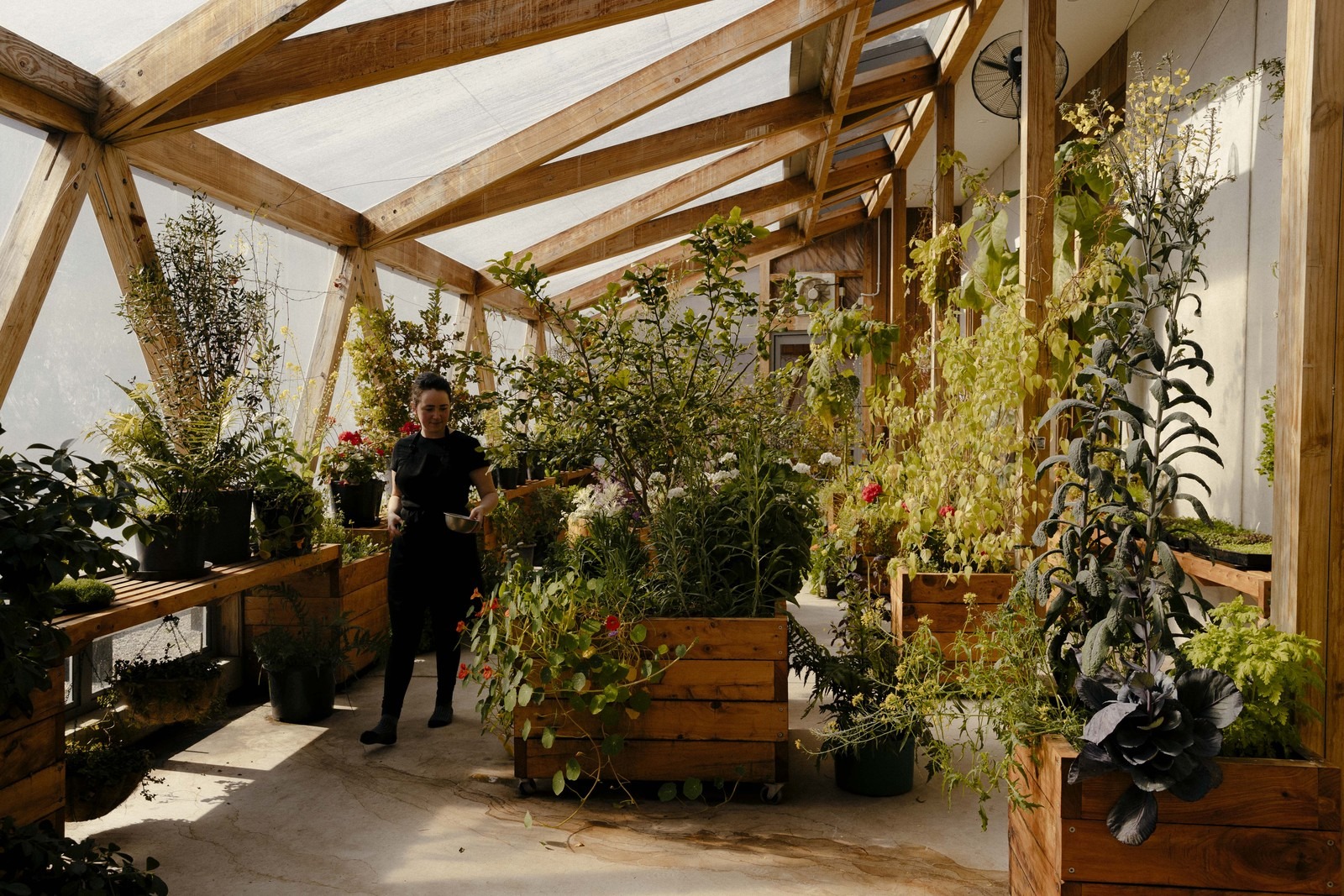
Meals simply arrive. The menu is plant-based fine dining: seasonal, gluten-free and entirely unprocessed, with 35 to 45 per cent of it grown in the gardens on-site.
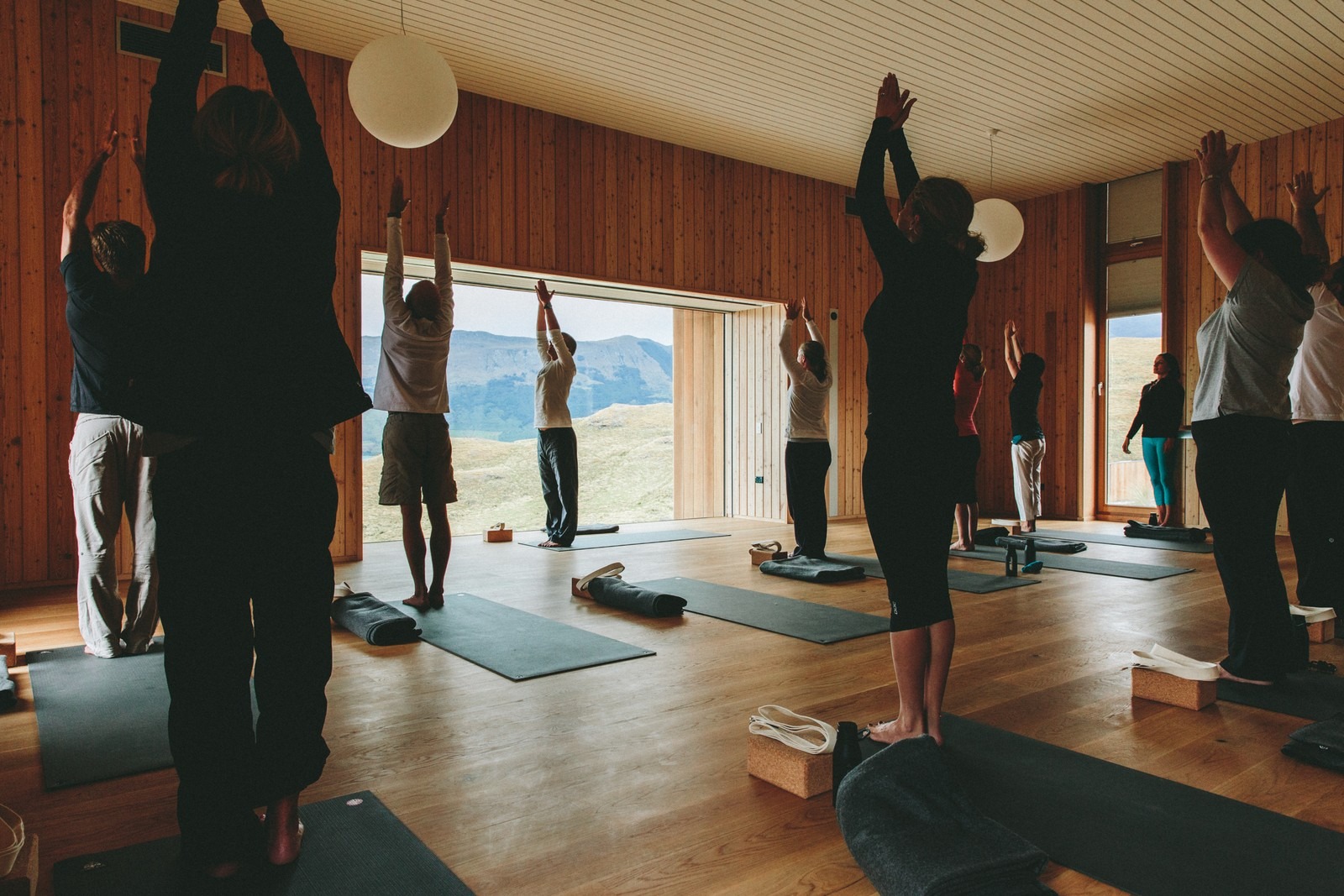
Movement is built into the day rather than squeezed around it: yoga and breathwork in the morning, a hike through the alpine country above Lake Wakatipu, and functional training or Pilates in the afternoon. Evenings close with restorative yoga, and bed is by 9pm. A massage is scheduled for each full day, and there is no mobile reception on the property.
It's easy to arrive expecting a week of discipline. What you find is a week without temptation to resist, because the easy option and the good option are the same. The effect lasts beyond the programme. One month after returning home, guests report tiredness down 38 per cent and energy up 37 per cent.
Designing Your Easy Option
You can't take the Aro Hā kitchen home, but you can take the principle: decide once, while you're fresh, so the easy option is already a good one when you're tired.
- Keep a short list. Two or three nourishing meals you can make, or order, without thinking. When the list exists, the decision doesn't.
- Stock for the evening you. Fill the fridge and pantry so the most convenient option is also the most nourishing one.
- Decide dinner in the morning. Make the choice while you still have the capacity to choose well.
- Put movement in the diary. Treat it like a meeting, with a fixed time that isn't renegotiated at 6pm.
- Protect the evening wind-down. A consistent bedtime removes one more nightly negotiation, and makes the next day's choices easier.
You'll always take the easy option. Make it one worth taking.
If you'd like to feel what a week of good easy options does, join us in the Southern Alps. With a maximum of twenty guests per programme, every meal, every movement session and every early night is already taken care of.